
MRI of the Cervical Spine (Neck), in plain English.
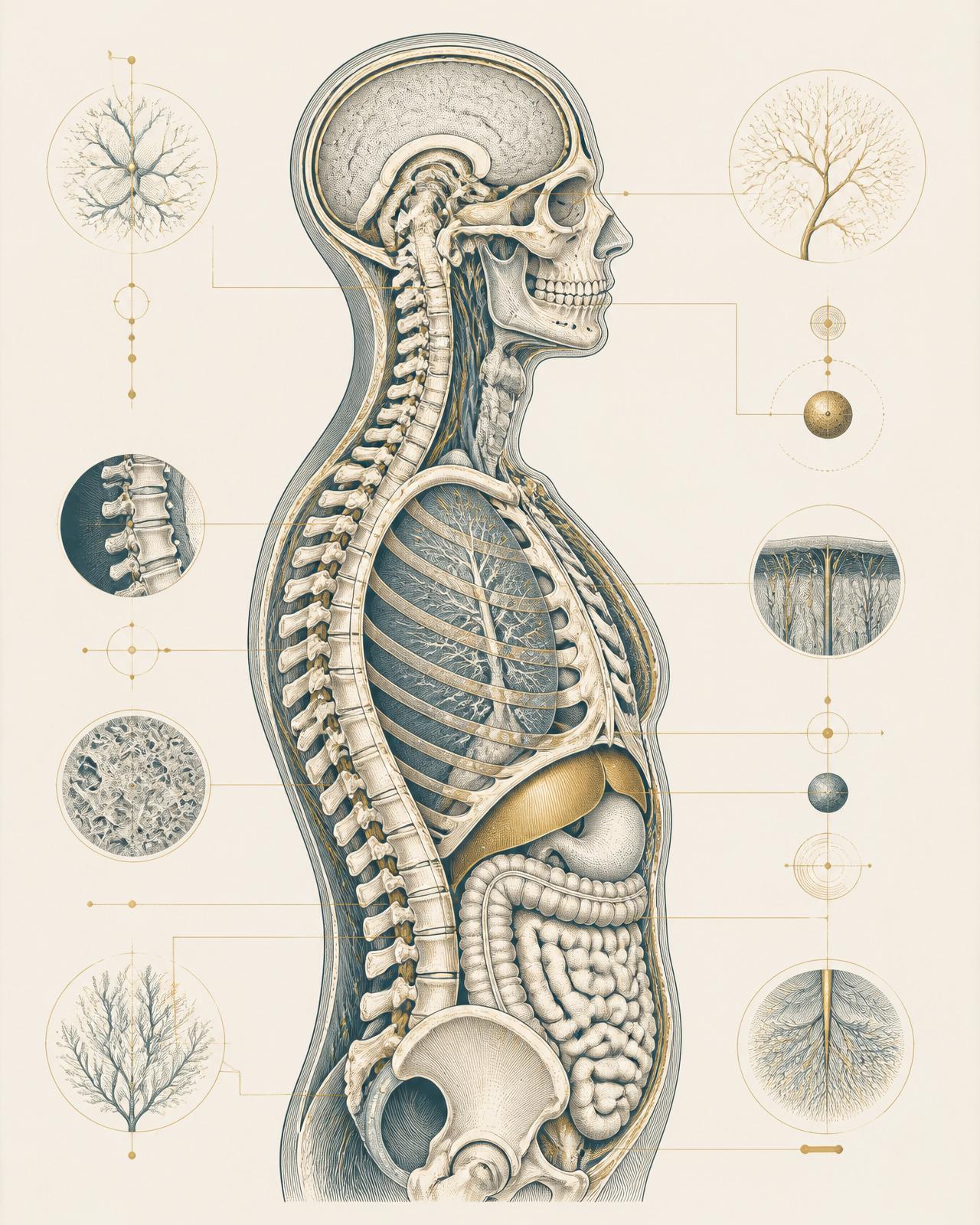
A cervical spine MRI looks at the seven bones in your neck (C1 to C7) and the discs between them. It is usually done for neck pain, arm pain, tingling in the fingers, or after a road accident.
Why doctors order this scan
- Neck pain with arm pain, tingling or weakness (cervical radiculopathy)
- Numbness or clumsiness in the hands
- After a whiplash injury or fall
- Before neck surgery or a nerve block
What this MRI actually shows
- •The seven cervical vertebrae and their discs
- •The upper part of the spinal cord
- •The nerve roots exiting to your shoulders and arms
- •The vertebral arteries running up to the brain
Common findings, decoded
These are the words you are most likely to see. They sound scarier than they usually are.
- C5-C6 / C6-C7
- The two most commonly affected disc levels in the neck.
- Disc osteophyte complex
- A worn disc plus a small bone spur. Common with age.
- Cord compression
- The spinal cord is being pressed. Needs a specialist review.
- Myelomalacia
- Softening of the spinal cord from long-standing pressure.
- Neural foraminal narrowing
- The side tunnel where an arm nerve exits is tighter than normal.
Words that usually deserve a doctor conversation
If you see any of these on your report, it does not mean an emergency — but do not ignore them either. Book a follow-up.
How to prepare for the scan
- •No fasting for a plain neck MRI
- •Remove necklaces, earrings, hearing aids and hairpins
- •Inform the technician about any pacemaker or metal implants
- •Scan takes 20-30 minutes. Head and neck will be held still.
Questions worth asking your doctor
- 1Is my spinal cord being compressed or just my nerve root?
- 2Do the MRI findings match the arm or hand I have symptoms in?
- 3Is physiotherapy enough, or should I see a spine surgeon?
- 4Are there activities I should stop right now?
In an Indian context
Long hours on the phone and desk work have made cervical spondylosis one of the fastest-growing MRI findings in urban India. It is usually not an emergency.
Frequently asked questions
What does cervical spondylosis mean on my MRI?+
Cervical spondylosis is a general term for age-related wear and tear in the neck — worn discs, small bone spurs, thickened ligaments. It is extremely common after age 40 and often causes no symptoms at all.
Is cord compression on my neck MRI dangerous?+
Cord compression means the spinal cord itself is being pressed. It is important, but severity varies widely. Mild compression with no symptoms is often just monitored; significant compression with symptoms usually needs a spine surgeon's review.
How much does a cervical spine MRI cost in India?+
A plain cervical MRI is usually priced between ₹3,000 and ₹8,000 across most Indian cities, with 3T scanners and corporate hospitals at the higher end.
Have your cervical spine mri report in hand?
Paste it, photograph it, or upload the PDF. Get a calm plain-English summary in your language in under a minute. Free. Nothing stored.
Decode my report nowOther MRI scans decoded
MRIdecoder is an educational tool. It does not diagnose or replace a qualified radiologist or physician. Always confirm findings and treatment with your doctor.