MRI of the Lumbar Spine (Lower Back), in plain English.
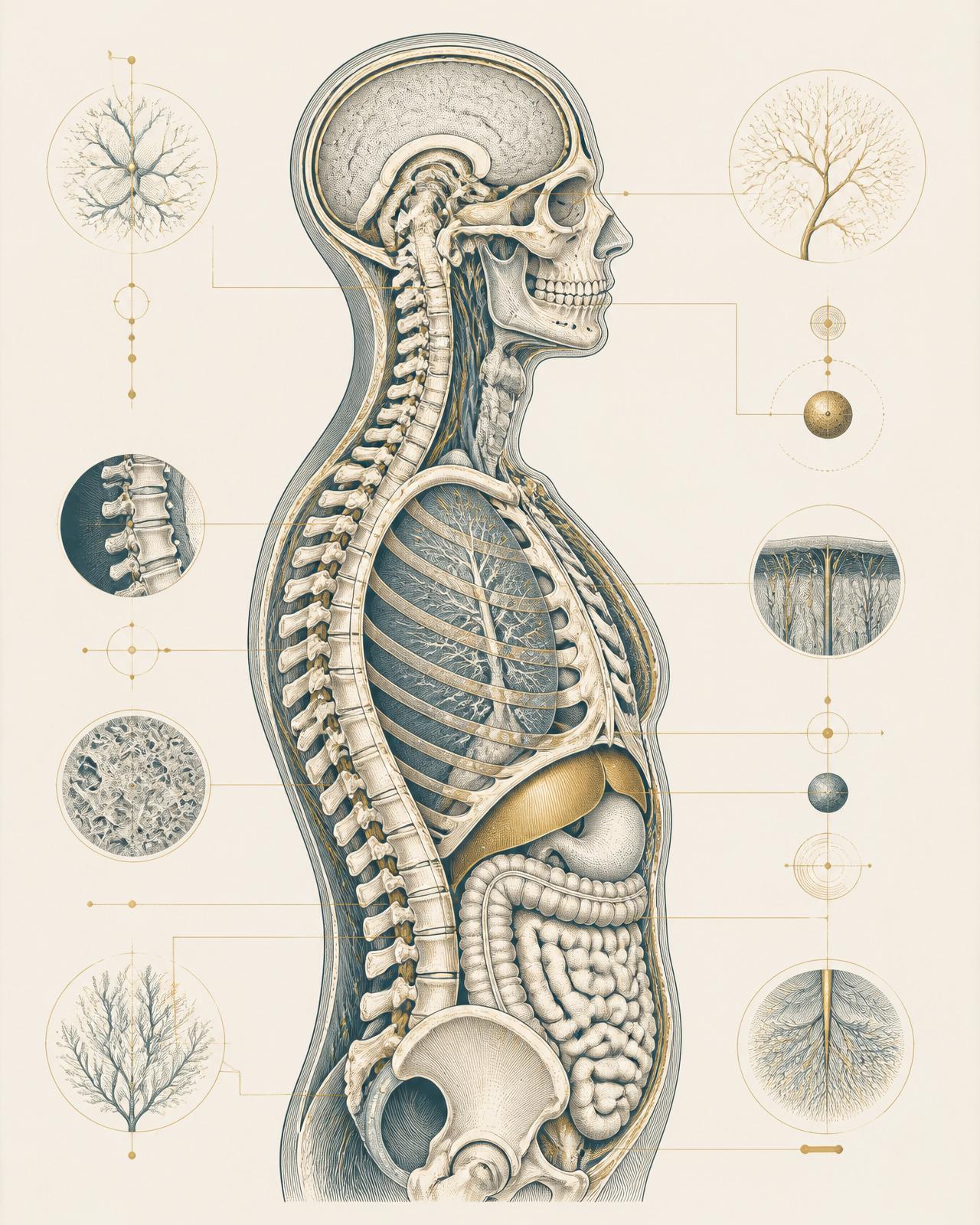
A lumbar spine MRI looks at the five bones in your lower back (L1 to L5) and the disc between L5 and your tailbone (S1). It is the most common MRI done in India for back pain, sciatica or leg numbness.
Why doctors order this scan
- Persistent lower back pain that is not settling with rest and medicines
- Pain shooting down one leg (sciatica) or numbness in the foot
- Weakness in the leg, or difficulty controlling urine or stool (urgent)
- Before spine surgery or an epidural injection
What this MRI actually shows
- •The five lumbar vertebrae and the discs between them
- •The spinal cord ending (conus) and the nerve roots below it (cauda equina)
- •The facet joints at the back of the spine
- •Muscles, ligaments and soft tissue around the spine
Common findings, decoded
These are the words you are most likely to see. They sound scarier than they usually are.
- Disc desiccation
- The disc has lost some water. Almost everyone has this after age 30.
- Disc bulge
- The disc has flattened and pushed out evenly, like a tyre under weight.
- Disc protrusion / herniation
- The disc is pushing out at one spot. Most heal without surgery.
- L4-L5 / L5-S1
- The two lowest disc levels. These take the most load and are most often involved.
- Foraminal narrowing
- The side tunnel where a nerve exits is a little tighter than normal.
- Canal stenosis
- The main spinal tunnel is narrower. Only significant if severe or causing symptoms.
- Modic changes
- Wear-related changes in the bone next to a disc.
- Spondylolisthesis
- One vertebra has slipped slightly forward.
Words that usually deserve a doctor conversation
If you see any of these on your report, it does not mean an emergency — but do not ignore them either. Book a follow-up.
How to prepare for the scan
- •No fasting needed for a plain lumbar MRI
- •Wear loose clothes with no metal (no zips, hooks, or jewellery)
- •Tell the technician about any pacemaker, cochlear implant, or metal in the body
- •The scan takes 20-30 minutes. You will need to lie still.
Questions worth asking your doctor
- 1Which of these findings actually explain my symptoms?
- 2Is anything on this MRI serious, or is it age-related wear and tear?
- 3Do I need physiotherapy, an injection, or is surgery being considered?
- 4What activities should I avoid for the next few weeks?
In an Indian context
Lower back pain is the single most common reason Indian adults are referred for an MRI. Most reports will contain the words "bulge", "desiccation" or "protrusion" — this does not mean surgery.
Frequently asked questions
Is a disc bulge on my lumbar MRI serious?+
A simple disc bulge is one of the most common findings on lumbar MRI, seen in a large share of adults who have no back pain at all. It becomes clinically important only when it presses on a nerve and matches your symptoms. Your doctor will match the MRI with your pain pattern before deciding.
What does L4-L5 and L5-S1 mean?+
These are the two lowest disc levels in your lower back. L4-L5 sits between the 4th and 5th lumbar vertebrae; L5-S1 sits between the last lumbar vertebra and the top of the tailbone. They carry the most load in daily life, so findings at these levels are extremely common.
Do I need surgery for a herniated disc?+
Most disc herniations improve within 6-12 weeks with rest, physiotherapy, pain medication, and time. Surgery is usually reserved for severe nerve compression, progressive weakness, or loss of bladder/bowel control. Always take a surgical opinion from a qualified spine specialist.
How much does a lumbar spine MRI cost in India?+
In most Indian cities a plain lumbar MRI is priced roughly between ₹3,000 and ₹8,000 depending on the city, the scanner (1.5T vs 3T) and whether contrast is used. Government and trust hospitals are usually cheaper than corporate chains.
Have your lumbar spine mri report in hand?
Paste it, photograph it, or upload the PDF. Get a calm plain-English summary in your language in under a minute. Free. Nothing stored.
Decode my report nowOther MRI scans decoded
MRIdecoder is an educational tool. It does not diagnose or replace a qualified radiologist or physician. Always confirm findings and treatment with your doctor.